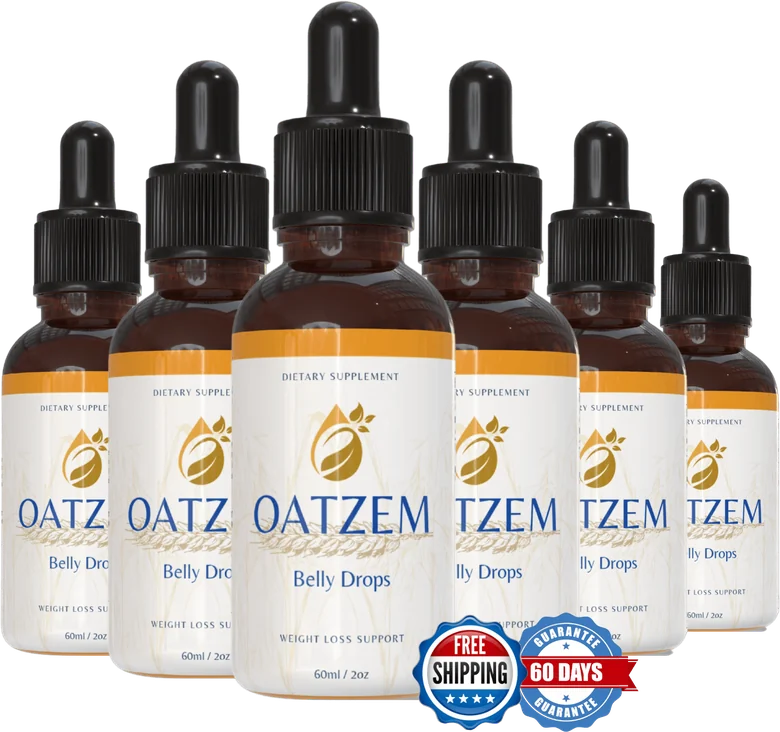
Why 'Mounjaro Alternative' Claims Should Make You Pause
Attaching a supplement to a prescription drug's name borrows trust the supplement itself hasn't earned. Here's why that tactic works so well.
Somewhere in the last few years, “works like Ozempic” or “a natural Mounjaro alternative” became one of the most common phrases in weight-loss marketing. It's worth pausing on why that specific comparison is so persuasive, and what it actually means when a supplement label borrows it.
Borrowed credibility, one name at a time
Mounjaro and Ozempic are real, clinically-trialed prescription medications with a specific, well-documented mechanism: they act as GLP-1 and GIP receptor agonists, directly engaging hormone pathways that regulate appetite and insulin response. When a supplement ad says it “mimics” that mechanism, it's attaching itself to years of clinical trial credibility that the supplement itself has not earned. This is the same authority-transfer pattern seen with celebrity endorsements: borrowing trust from something real to sell something that hasn't been tested the same way.
Why this comparison lands so effectively
Prescription GLP-1 medications have generated enormous public attention specifically because their results are well-documented and dramatic. That reputation is exactly what makes the comparison appealing to borrow — and exactly why it's misleading. A supplement blend of botanicals and nutrients, however well-formulated, works through different, generally slower and more modest pathways than a synthesized hormone-receptor agonist delivered by injection.
The specific mechanism gap
GLP-1/GIP receptor agonism requires binding directly to specific hormone receptors with high precision — something achieved through molecular design, not through eating berberine or green tea extract. Botanical ingredients can support metabolic and appetite pathways through nutritional and traditional mechanisms, but that's a genuinely different claim than replicating a prescription drug's receptor-binding action, and conflating the two isn't accurate.
What actually helps here
A few concrete checks make this kind of comparison marketing easier to evaluate:
- Treating any “works like [prescription drug]” claim on a supplement label as a signal to look closer, not a credibility boost
- Checking whether the actual named ingredients have research connecting them to the specific mechanism claimed
- Looking for the real ingredient list and honest mechanism description, not just the borrowed comparison
That's exactly why we lead with the real, named ingredient list here rather than a pharmaceutical comparison — see it in all 8 ingredients explained.
The honest caveat
None of this means botanical appetite and metabolism support is worthless — traditional ingredients like berberine and green tea do carry genuine research behind their specific, more modest roles. It means the “works like Mounjaro” framing overstates what any of them, individually or combined, have been shown to do.